EARLY is developing a non-invasive, urine-based biosensor platform designed to support
clinical assessment in cases where imaging findings remain inconclusive.
CT imaging remains central to lung nodule evaluation, yet some pulmonary nodules remain indeterminate following imaging.
EARLY’s platform is built around four core elements:
Based on a urine sampling approach
Additional biological insight in cases where imaging alone remains inconclusive.
Built on a unique IP – protected volatile organic compound analysis
Designed for integration within existing diagnostic workflows
Supporting stakeholders across the clinical evaluation pathway.
CT imaging remains central to lung nodule evaluation, yet some pulmonary nodules remain indeterminate following imaging.
EARLY’s platform is built around four core elements:
Based on a urine sampling approach
Additional biological insight in cases where imaging alone remains inconclusive.
Built on a unique IP – protected volatile organic compound analysis
Designed for integration within existing diagnostic workflows
Supporting stakeholders across the clinical evaluation pathway.
Safe & convenient way to take control over their health
Increase chances of survival
Remove barriers for screening
Reduce geographical and economic disparities
Remove system barriers
Volatile Organic Compounds (VOCs) are biological signals released into bodily fluids as part of biological and metabolic processes. Across multiple areas of cancer research, VOC analysis has been investigated as a potential source of additional biological insight.
EARLY is developing a urine-based biosensor platform that combines biological sensing, automated sample processing, and AI-driven analysis to interpret VOC patterns from urine samples.
The company’s current clinical focus is lung nodule evaluation, particularly in cases where imaging findings remain indeterminate and additional biological context may support clinical assessment and follow-up decisions.
The platform was designed to support integration within existing clinical workflows through a laboratory-centered operational model.
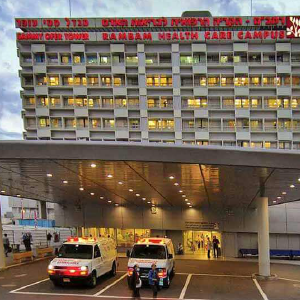
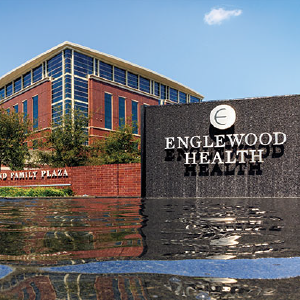
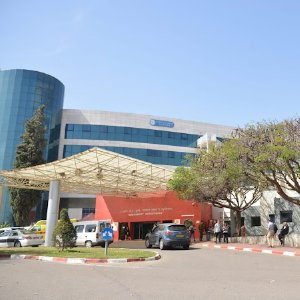
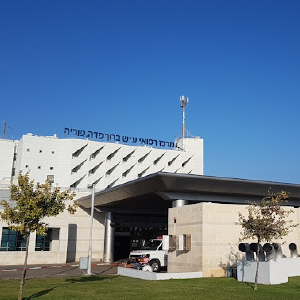
The platform is currently being evaluated through ongoing clinical collaborations with leading medical centers across the United States, Europe, and Asia.
In earlier clinical studies, the platform demonstrated 92% sensitivity and 88% specificity in lung cancer detection. More recent findings published in JTCVS Open, in a study of patients eligible for lung cancer screening under USPSTF criteria, reported 91% sensitivity and 86% specificity, supporting continued clinical validation efforts.
EARLY operates within established clinical, laboratory, and data protection frameworks, including ISO 15189 certification, CLIA and A2LA-certified laboratory environments, and HIPAA compliance.
It has been well known to science for many years that tumors secrete materials (Volatile Organic Compounds – VOCs) into a person’s bloodstream, urine, and other body secretion. This generally happens from the earliest days of the tumor’s formation.
These materials have distinct odors which are available for diagnostic testing. Many techniques to detect these molecular markers of cancer are being explored, but none have matured into a working, scalable, screening test.
At EARLY, we created a novel multi-cancer screening platform, the Biosensor Platform (BSP) Urine Test, to make cancer screening accurate, safe, non-invasive, simple, cost effective and accessible to people around the world, starting with lung cancer.
Volatile Organic Compounds (VOCs) are biological signals released into bodily fluids as part of biological and metabolic processes. Across multiple areas of cancer research, VOC analysis has been investigated as a potential source of additional biological insight.
EARLY is developing a urine-based biosensor platform that combines biological sensing, automated sample processing, and AI-driven analysis to interpret VOC patterns from urine samples.
The company’s current clinical focus is lung nodule evaluation, particularly in cases where imaging findings remain indeterminate and additional biological context may support clinical assessment and follow-up decisions.
The platform was designed to support integration within existing clinical workflows through a laboratory-centered operational model.
The platform is currently being evaluated through ongoing clinical collaborations with leading medical centers across the United States, Europe, and Asia.
In earlier clinical studies, the platform demonstrated 92% sensitivity and 88% specificity in lung cancer detection. More recent findings published in JTCVS Open, in a study of patients eligible for lung cancer screening under USPSTF criteria, reported 91% sensitivity and 86% specificity, supporting continued clinical validation efforts.
EARLY operates within established clinical, laboratory, and data protection frameworks, including ISO 15189 certification, CLIA and A2LA-certified laboratory environments, and HIPAA compliance.
EARLY is the world’s pioneer provider of VM (Volatile Markers) test for early detection of cancer.
The key to fighting cancer is early detection, meaning finding the disease when it is still curable. Our test is specially designed to meet the needs and demands of large-scale population/targeted screening programs, by being acceptable, affordable and accessible.
With a simple, safe, highly sensitive, inexpensive urine test, EARLY’s proprietary evidence-based novel platform will enable diagnostic level testing on a population screening scale.

The company’s test will revolutionize the way cancer is detected, starting with lung cancer, and dramatically reduce the disease’s global human and financial burden.
In the future, the same technology will be modified to allow detection of other cancer types, creating a unique multi-cancer screening platform.
Lung cancer remains the leading cause of cancer-related death worldwide. While advances in treatment continue to improve outcomes, early-stage disease remains difficult to identify and assess with certainty.

CT imaging plays a central role in lung nodule evaluation, yet some pulmonary nodules remain indeterminate following imaging, requiring additional clinical assessment and follow-up decisions under conditions of uncertainty.
EARLY’s initial clinical focus is lung nodule evaluation, particularly in cases where imaging has identified a suspicious finding but malignancy risk remains unclear.
The company is developing a non-invasive biosensor platform designed to support clinical assessment in these defined scenarios, with a focus on reducing uncertainty within existing care pathways.
While the current focus is lung cancer diagnostics, the platform was developed with broader future scalability in mind into other cancer types where the same scientific and technological principles apply .
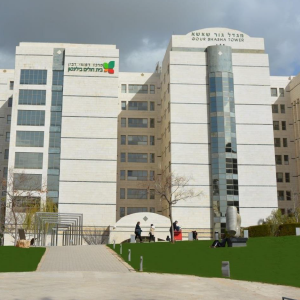
EARLY is led by Dr. Michal Mark Danieli, PhD, an expert in cell biology and immunology with extensive experience in healthcare research, diagnostics, and biotechnology entrepreneurship, including previous work as a senior researcher at Sheba Medical Center.
Lung cancer remains the leading cause of cancer-related death worldwide. While advances in treatment continue to improve outcomes, early-stage disease remains difficult to identify and assess with certainty.
CT imaging plays a central role in lung nodule evaluation, yet some pulmonary nodules remain indeterminate following imaging, requiring additional clinical assessment and follow-up decisions under conditions of uncertainty.
EARLY’s initial clinical focus is lung nodule evaluation, particularly in cases where imaging has identified a suspicious finding but malignancy risk remains unclear.
The company is developing a non-invasive biosensor platform designed to support clinical assessment in these defined scenarios, with a focus on reducing uncertainty within existing care pathways.
While the current focus is lung cancer diagnostics, the platform was developed with broader future scalability in mind into other cancer types where the same scientific and technological principles apply .
EARLY is led by Dr. Michal Mark Danieli, PhD, an expert in cell biology and immunology with extensive experience in healthcare research, diagnostics, and biotechnology entrepreneurship, including previous work as a senior researcher at Sheba Medical Center.
Have questions about our technology or partnership opportunities? We’d love to hear from you.
We’ll only use your information to respond to your inquiry.
Important: This form is intended for general and business inquiries only. Please do not submit confidential medical history through this form, as this website is not a medical consultation platform.
Have questions about our technology or partnership opportunities? We’d love to hear from you.
We’ll only use your information to respond to your inquiry.
Important: This form is intended for general and business inquiries only. Please do not submit confidential medical history through this form, as this website is not a medical consultation platform.